🌱 Singing Grass Insights | The Reverse Cultural Flow
Reverse Cultural Flow is Reshaping Global Consumer Culture
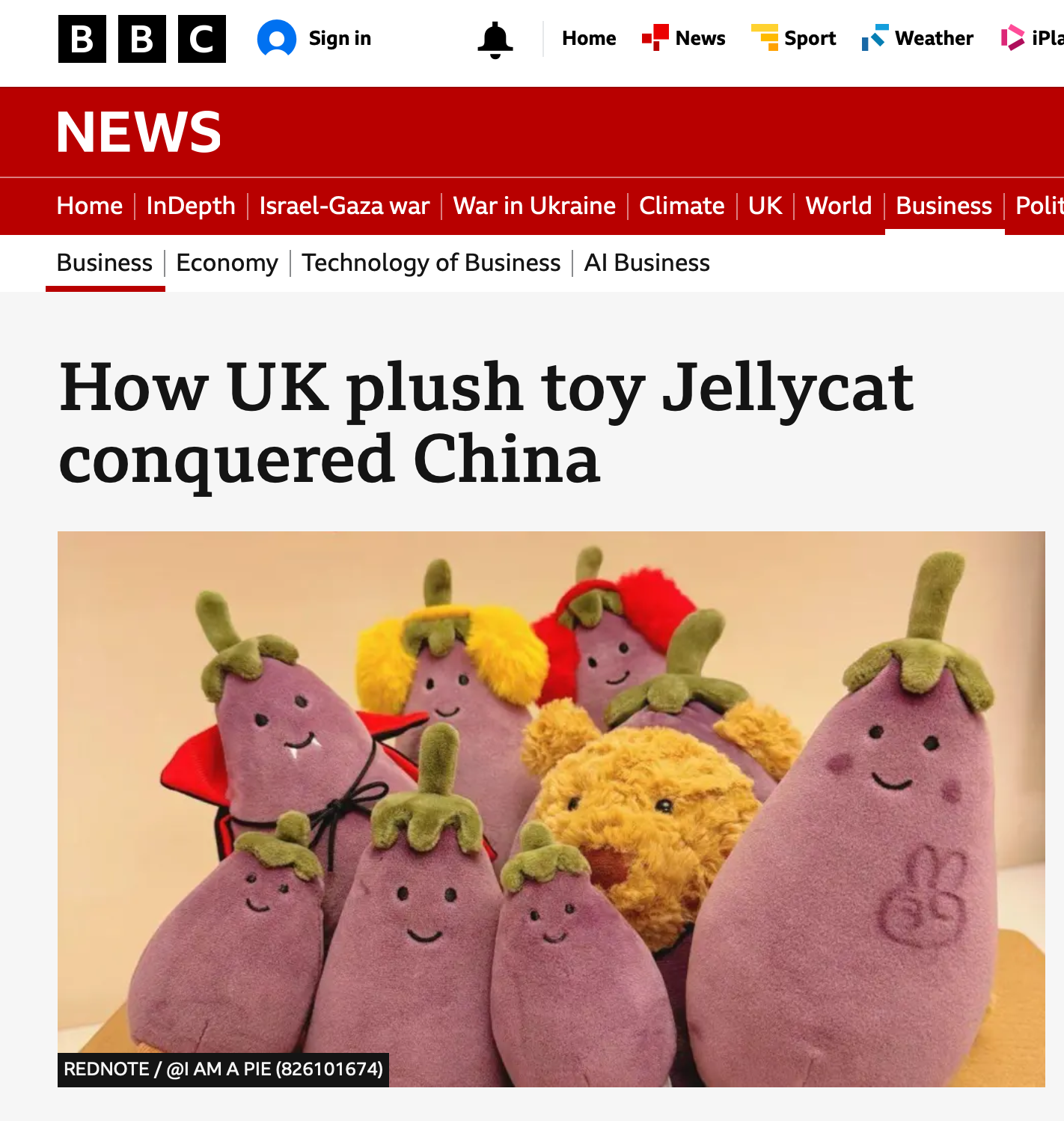
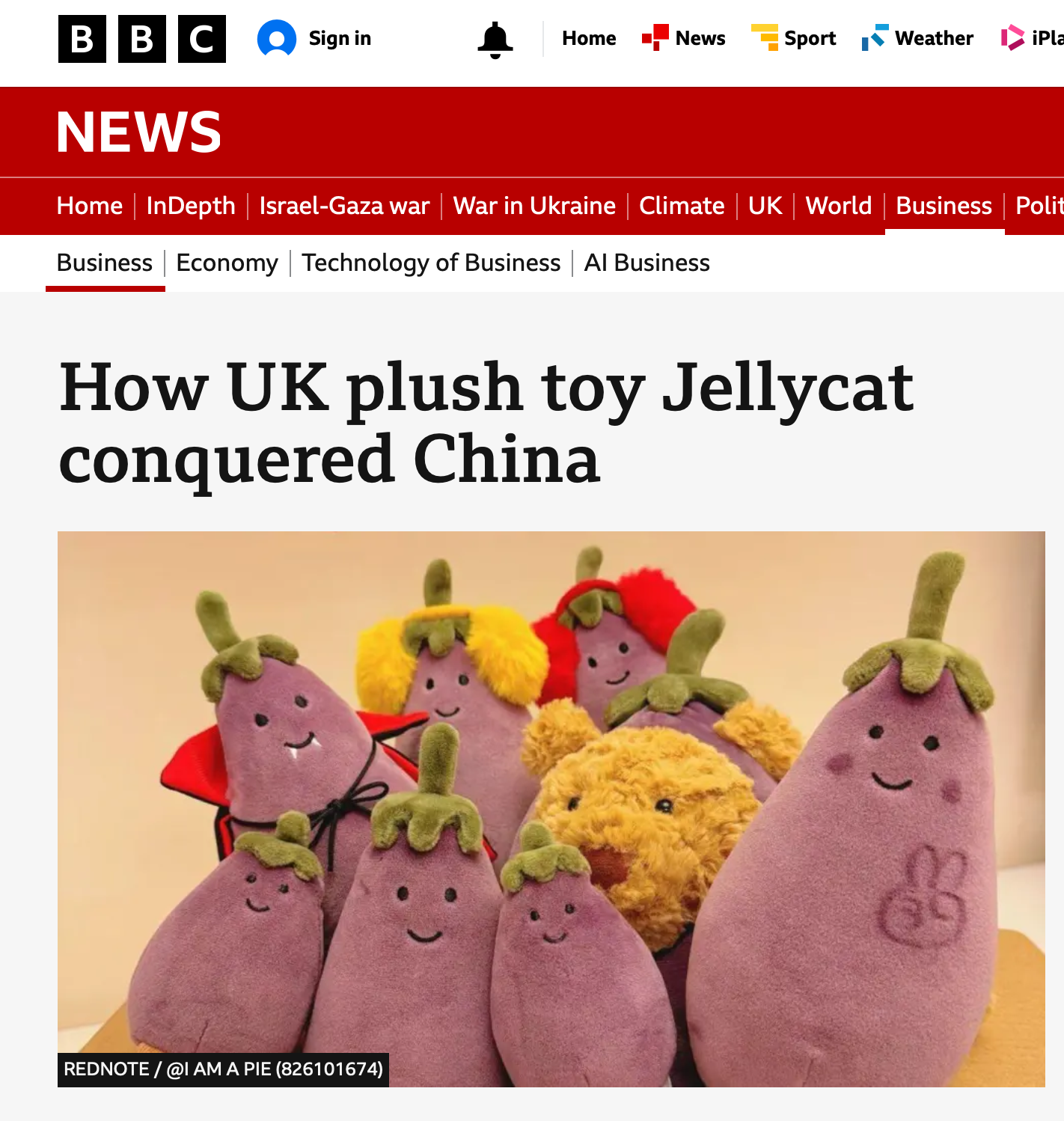
Recent coverage by the BBC points to a broader shift we’ve been tracking closely at Singing Grass: brands such as Labubu, Jellycat and Pokémon are no longer niche collectibles, but indicators of how Asian-origin creativity is increasingly shaping global consumer taste, emotional behaviour and purchasing decisions.
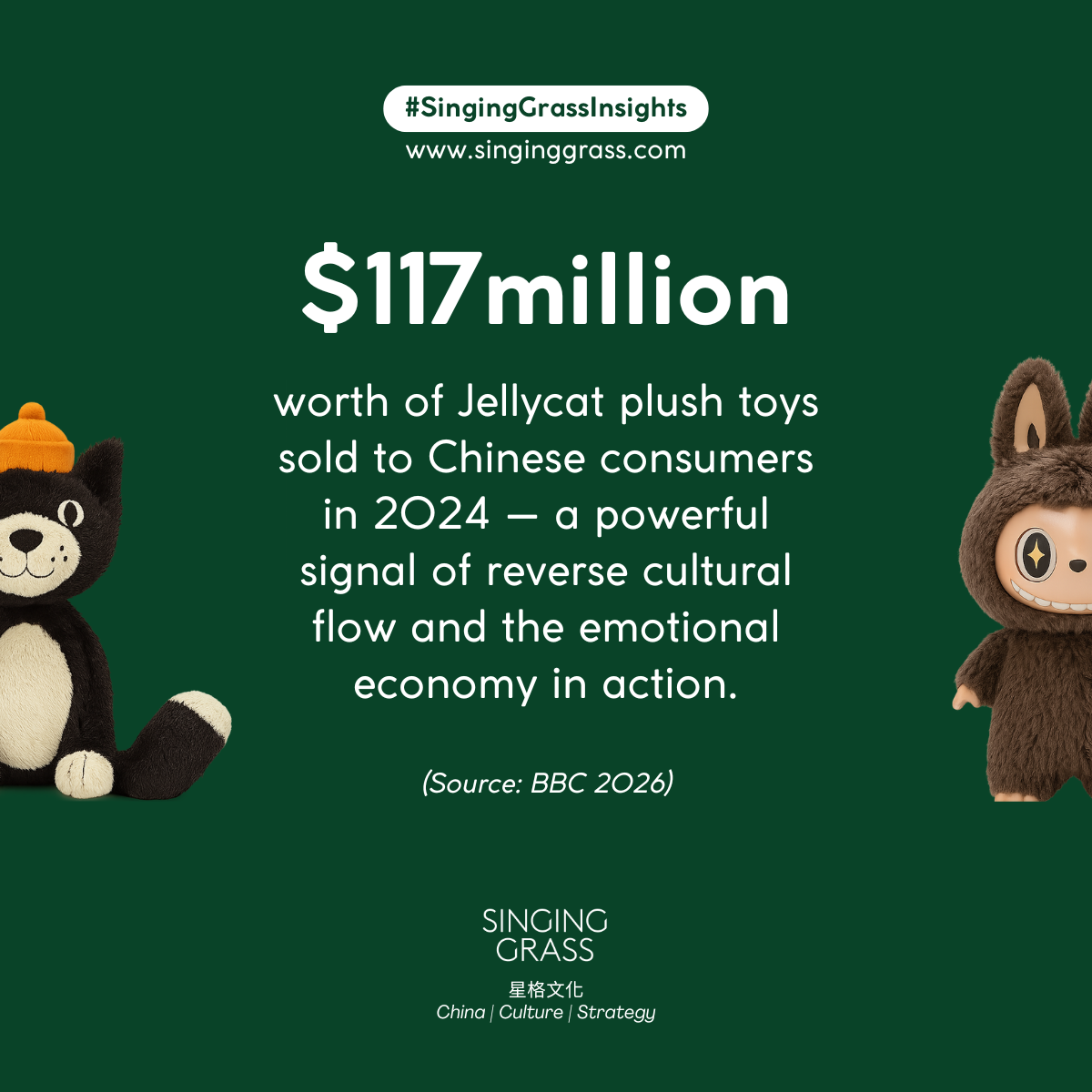
A telling example is UK plush brand Jellycat, which reportedly sold around $117 million worth of products to Chinese consumers in 2024 — a clear signal of how cultural influence and emotional attachment now travel in both directions.
We see this as part of a wider Emotional Economy, where Gen Z and Gen Alpha engage with IP through comfort, identity, humour and emotional resonance. What once predominantly flowed West → East is now increasingly moving East → West, reshaping retail, storytelling, licensing and brand strategy across markets.
At Singing Grass, we’re exploring how this reverse cultural flow will impact publishing, character IP, brand building and cross-market collaboration — and what organisations need to understand in order to respond with cultural intelligence rather than surface-level adaptation.
What This Means for Brands
Emotion drives value. Products and IP succeed not through novelty alone, but through emotional clarity, comfort and symbolic meaning.
Cultural influence is bidirectional. Asia is no longer just a growth market — it is increasingly a source of global cultural taste and aesthetics.
IP travels faster than products. Characters, narratives and visual language scale across borders more effectively than functional offerings.
Local insight is essential. Brands that rely on surface-level localisation risk missing the emotional logic that makes IP resonate across markets.